Springs · Aurora
Garage Door Cable Replacement
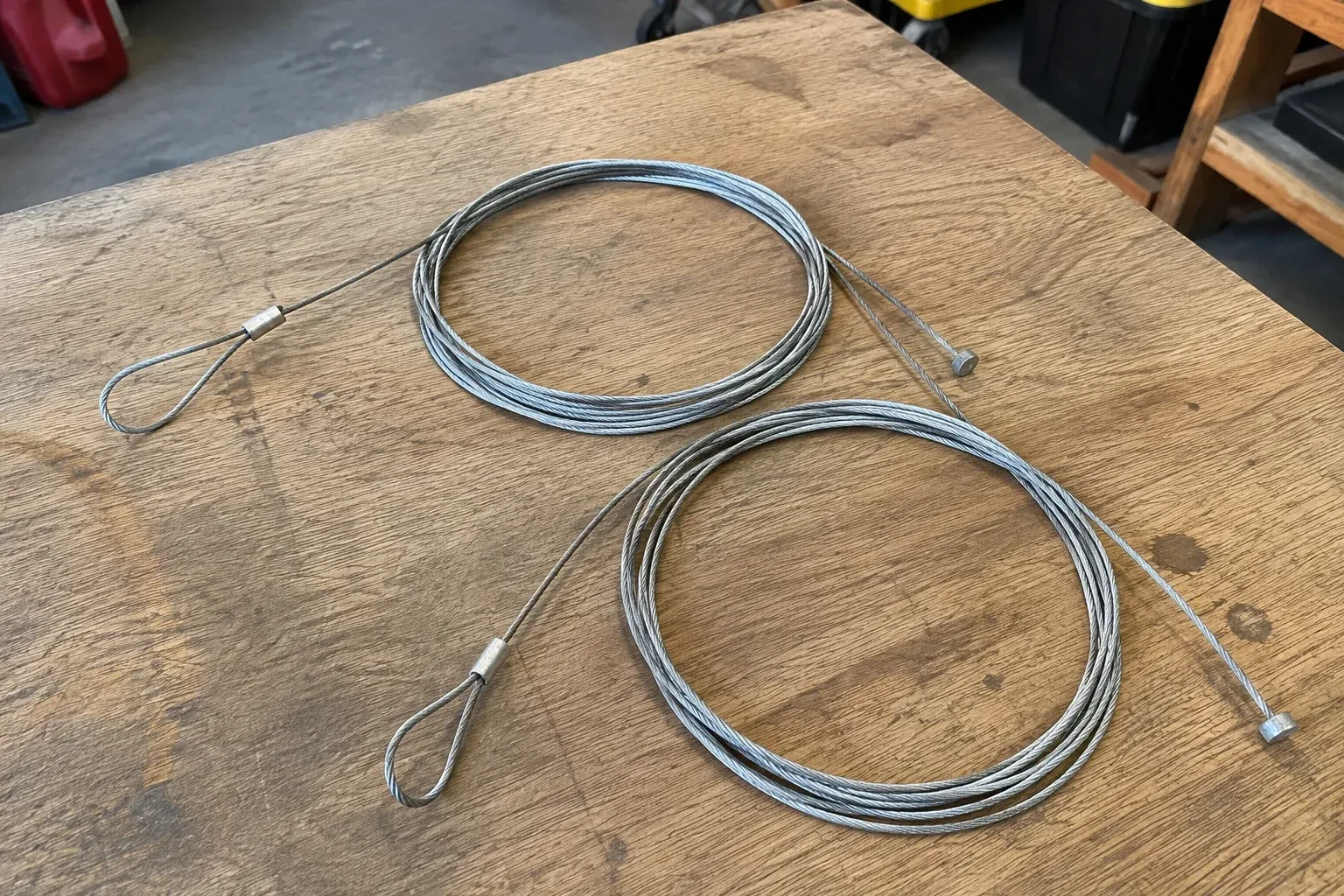
After years of slushy winters the cables look thinner near the bottom brackets, with rust streaks running down the door where they attach.
In plain words
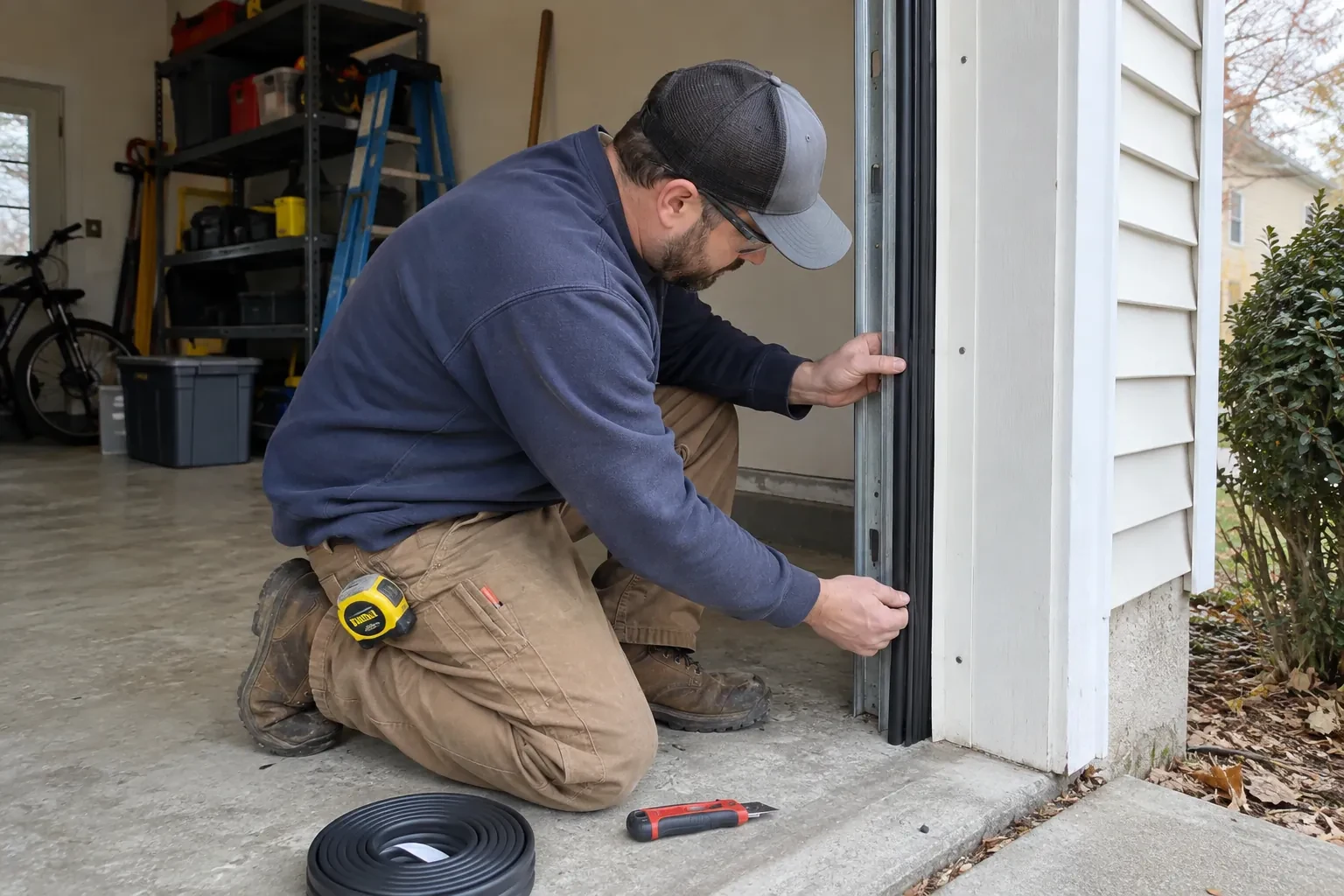
What you get back is a door that behaves as it did when it was new. Both corners rise and fall together, the bottom seal meets the floor along its whole length, and the opener runs without straining or reversing. Because the cables were set to the same length and the springs re-tensioned to match, the door can be lifted by hand with light effort and will hold steady halfway up. You also leave with a note of the cable specification, drum type and spring turns, which makes any future service simpler, and a few habits that keep the new cables in good shape.
How the visit goesSomeone left the snow shovel leaning in the opening and the door came down on it. Now a loop of steel cable hangs loose beside the track and the door refuses to close the last few inches.
Garage Door Cable Replacement
How the visit goes
Making the door safe to work on
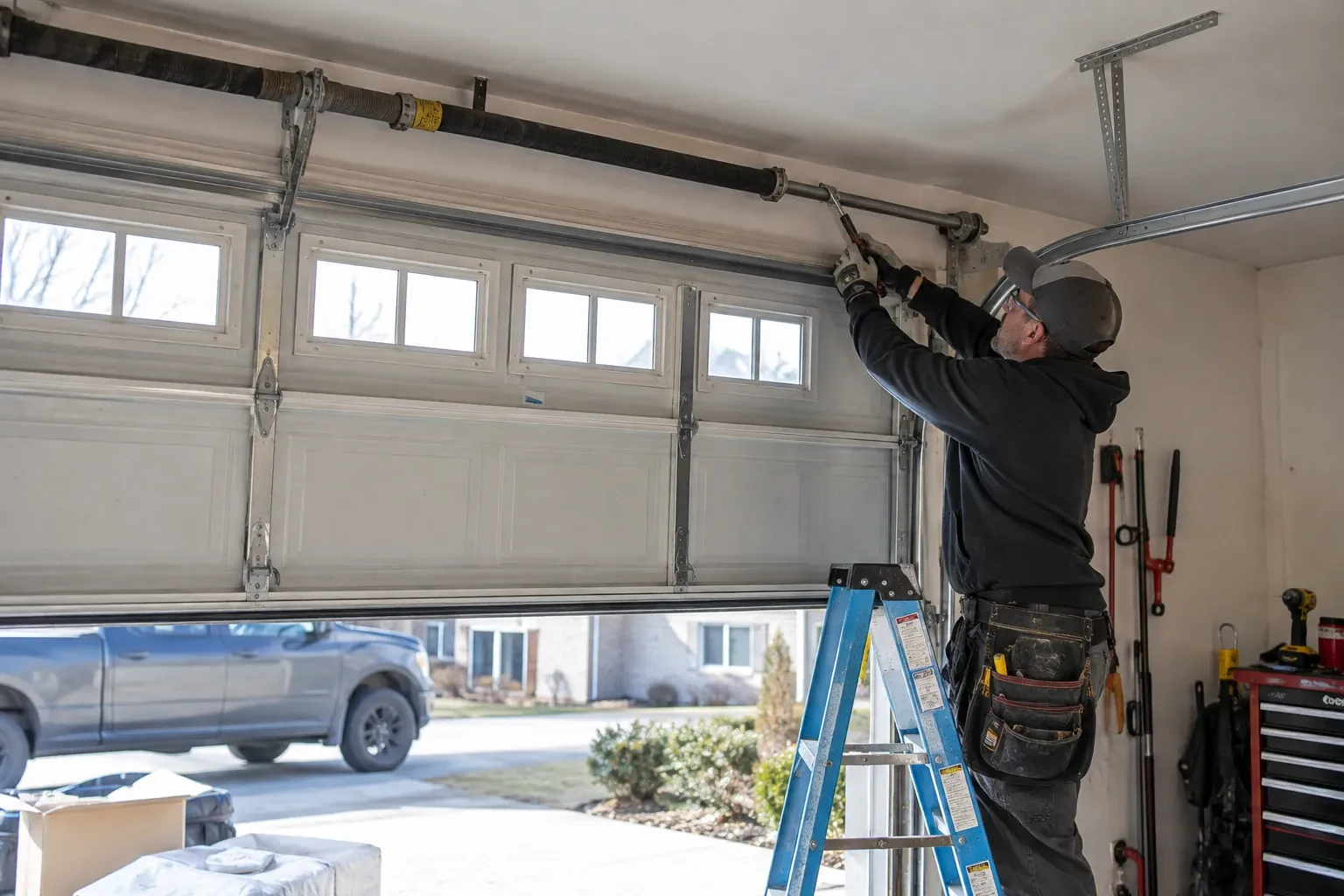
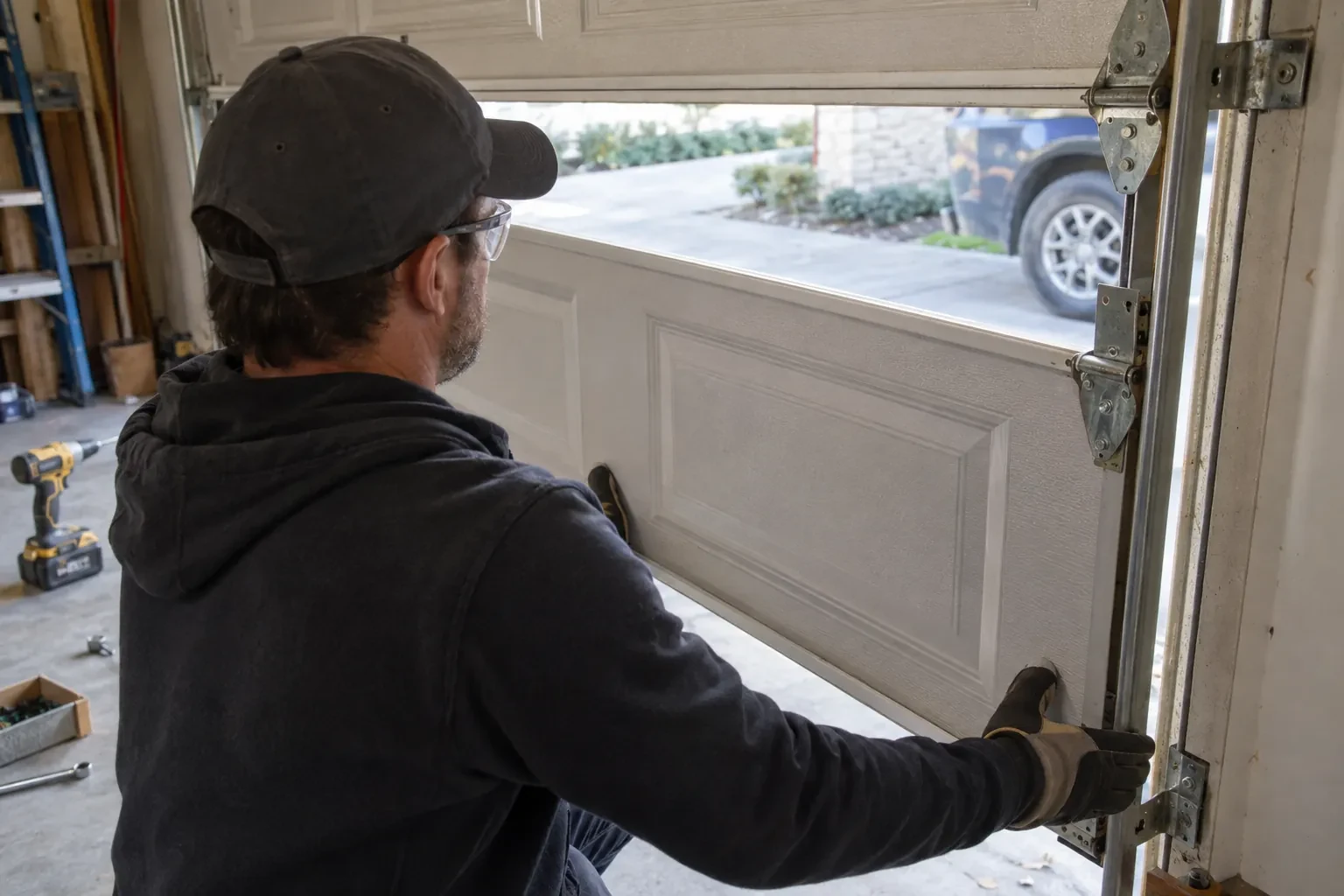
Nothing is touched until the door cannot move. The technician pulls the opener's release cord so the motor is out of the picture, clears the opening, and clamps the track just above a roller or props the door if it is jammed partway. If one cable has let go, the door is probably tipped and binding in the track, with its weight resting unevenly on the remaining cable and spring, so the first job is to take that weight on clamps or a support. Only then does the assessment of drums, springs and brackets begin. This step is calm and deliberate, and it is what allows every later step to be done with both hands.
Taking the tension off the springs
With the door clamped and the opener disconnected, the technician unloads the torsion springs. Two solid winding bars sized to the cone holes are used in turn: one holds the cone while the set screws are loosened, then the spring is let down a quarter turn at a time, bar over bar, until the coil is relaxed and the shaft turns freely. Every turn released is counted, because the same number goes back on later. On an extension door the technician instead raises the door fully and clamps it, which lets the springs hang slack. Once the tension is off, cables, drums and brackets can be handled like any other hardware.
Cables and springs on the same clock
Cables and springs age together, and your new cables now have a head start on the springs that remain. If the springs were assessed and left in place, you have a rough idea of the cycles they have left, and the sensible plan is to have them changed as a pair before they break, at which point the cables are checked again and simply re-tensioned. A door that starts to feel heavy, a spring that has gone quiet and then begins to creak, or a gap appearing in the coil are the signs to act on. Handled this way, the counterbalance is renewed in planned visits rather than on a difficult morning.
Garage Door Cable Replacement
In the van
Clevis pins and cotter pins
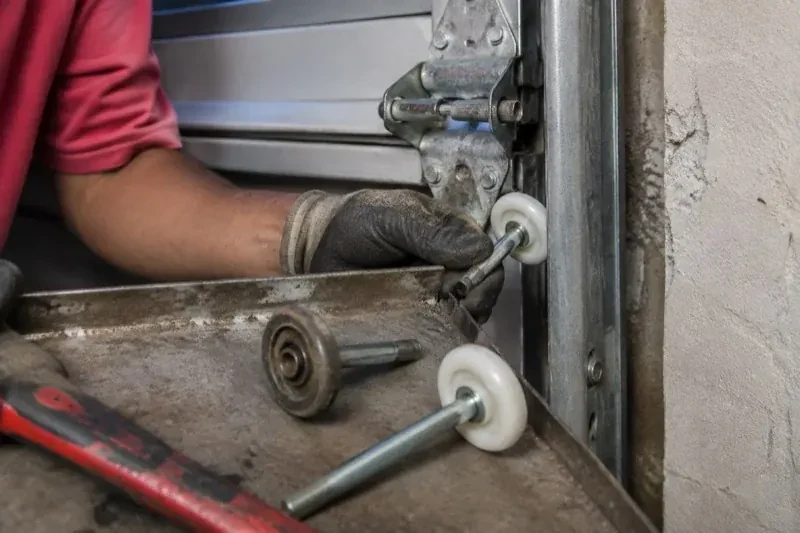
Bottom rollers and hinges
Silicone garage-door lubricant
Torsion springs and winding cones
Cable drums, matched pair
Garage Door Cable Replacement
What affects the quote
Opener adjustment afterwards
A newly balanced door often needs the opener's travel limits and force settings reset and its reversing tested. That short adjustment is named in the quote when it is needed.
Whether a matching part has to be special-ordered
Most drums, brackets and cable sizes are common stock, but an older or uncommon door sometimes needs a part matched to its exact dimensions. When that happens the technician identifies it on the first visit and arranges the part before the return trip.
How the door is sitting
A door resting closed is simpler than one wedged crooked in the opening or off its track, which has to be supported and straightened before the cables can be handled.
What to have ready
- Is anything stored close to the door or under the spring shaft?
- Does the opener still run, and does it strain or reverse?
- Is there one spring above the opening, or springs stretched along the tracks?
Garage Door Cable Replacement: questions
QuestionsWhy is the door sitting crooked in the opening?
Each corner of the door is held by its own cable. When one cable stretches, slips its drum or breaks, that corner loses its lift and drops while the other stays up, so the door tips and usually wedges against the track. Setting both cables to the same length and tension is part of every cable replacement, and it is what brings the door back level.
What happens during the visit?
The opener is disconnected and the door clamped. The technician identifies the counterbalance type, inspects both cables, the drums, brackets, rollers, track and springs, and explains what is found. The springs are unloaded, the old cables removed, new ones fitted and set so the door is level, and the springs wound back. The door is then balanced by hand, the opener reconnected and its safety features tested while you watch.
What information helps when I call?
Whether the door is sitting crooked, jammed partway or on the floor; whether you can see a cable hanging loose, frayed or wrapped around the shaft; whether there is a spring above the door or springs along the tracks; the door's rough height and whether it is a single or double; and what happened just before, such as the door coming down on something. A photo of the drum end and the bottom corner is useful.
Related services
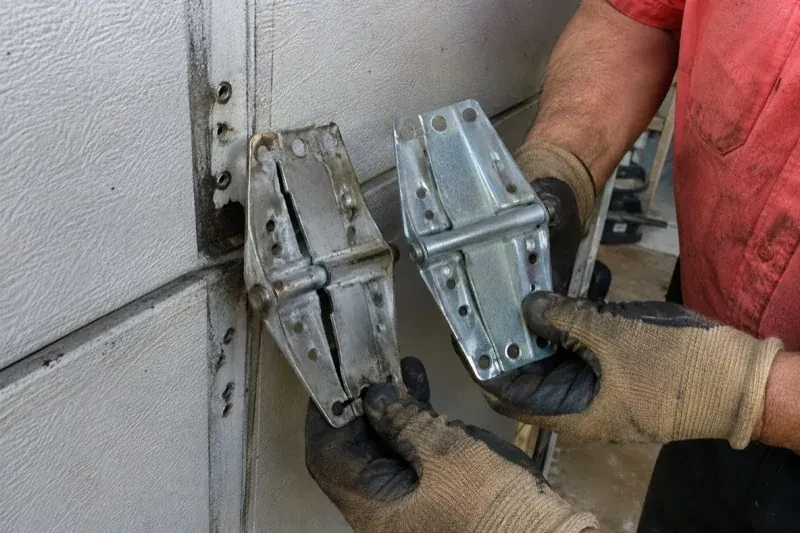
- Garage Door Hinge ReplacementThe roller at the top of the second panel is leaning outward and only half of the wheel is still in the track.
- Garage Door Track Repair or ReplacementBacking out this morning, the mirror caught the track beside the door.
- Torsion Spring ReplacementYou heard a sharp bang from the garage, and now the opener hums for a second and gives up.